A morning in Grasse
Inside the cold-distillery where our damask rose tonic is born, before sunrise.

Inside the cold-distillery where our damask rose tonic is born, before sunrise.

Before the town wakes, the roses are gathered. Their scent is softer at dawn, still cool from the night air. In the atelier, the process stays simple: careful selection, slow extraction, and patience.
The first roses arrive while the air is still cool. Their scent is soft, green, and almost quiet. This early hour matters because the petals are at their most delicate.
By noon, the same flower becomes warmer, sweeter, and heavier. Beautiful still, but different. For our tonic, we look for freshness, so the harvest begins before the sun has fully lifted.
At the atelier, the petals are spread gently and sorted by hand. Anything bruised or tired is removed. The goal is not perfection, but clarity.
Only the petals with the cleanest scent continue into the distillation process. It is a slow beginning, but it shapes everything that follows.
In the distillery, nothing is rushed. The process is quiet and measured, designed to protect the natural character of the rose.
There is steam, cool glass, copper, linen cloths, and the steady rhythm of waiting. The room fills slowly with the scent of petals opening again.
What remains is light, floral, and balanced. A tonic made not to overwhelm the skin, but to refresh it gently.
We use it after cleansing, before oil or cream. A small step, but one that brings the skin back to softness.
Grasse has always understood scent as a living material. Here, fragrance is not only decoration. It is memory, place, weather, soil, and handwork.
This is why we return each season. Not to make something louder, but to make something truer.
Journal

May 3
7 min read
Why the first harvest of the morning carries the softest scent.
May 8
5 min read
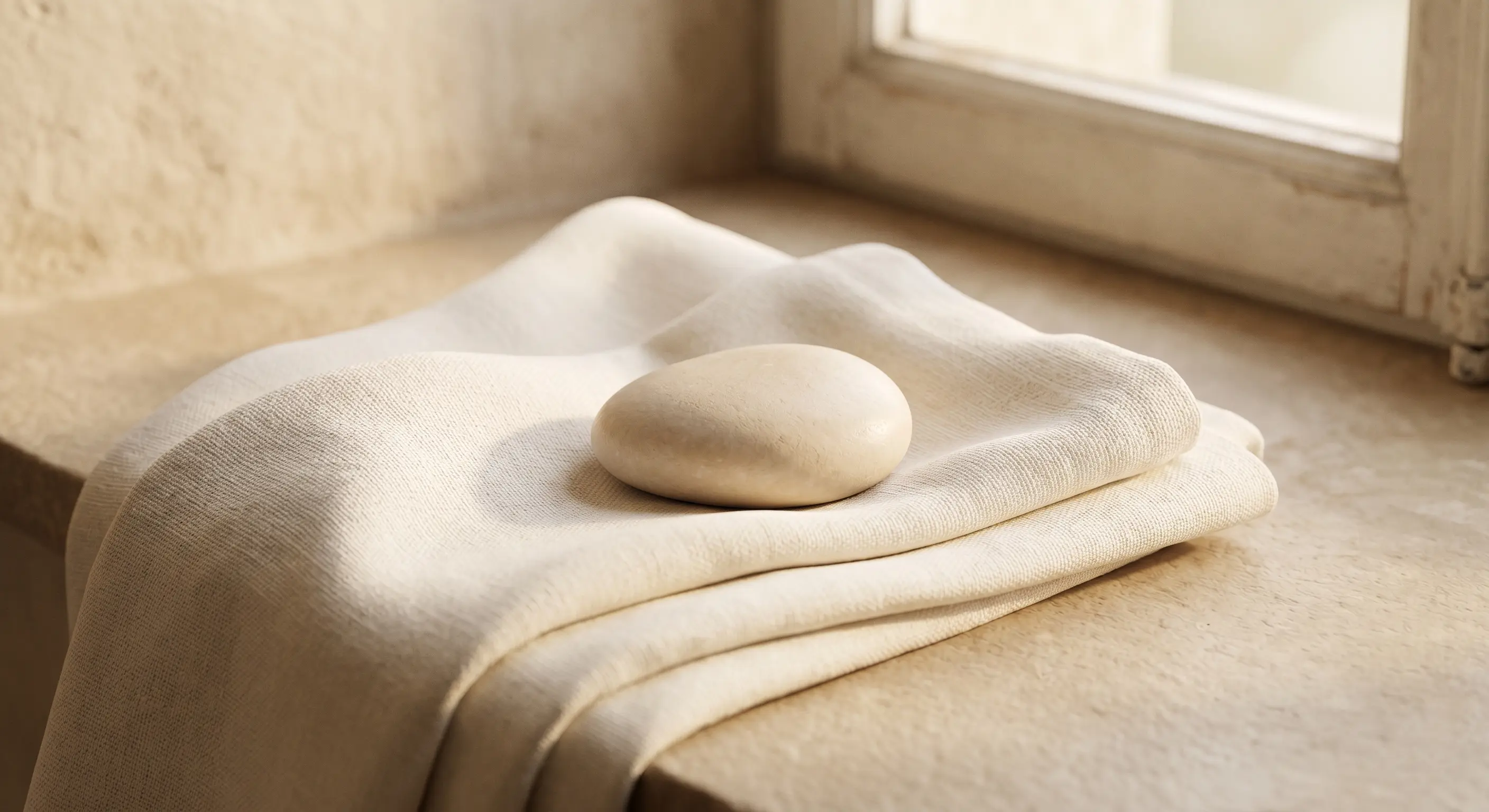
On doing less, choosing well, and giving the skin room to recover.
May 11
9 min read
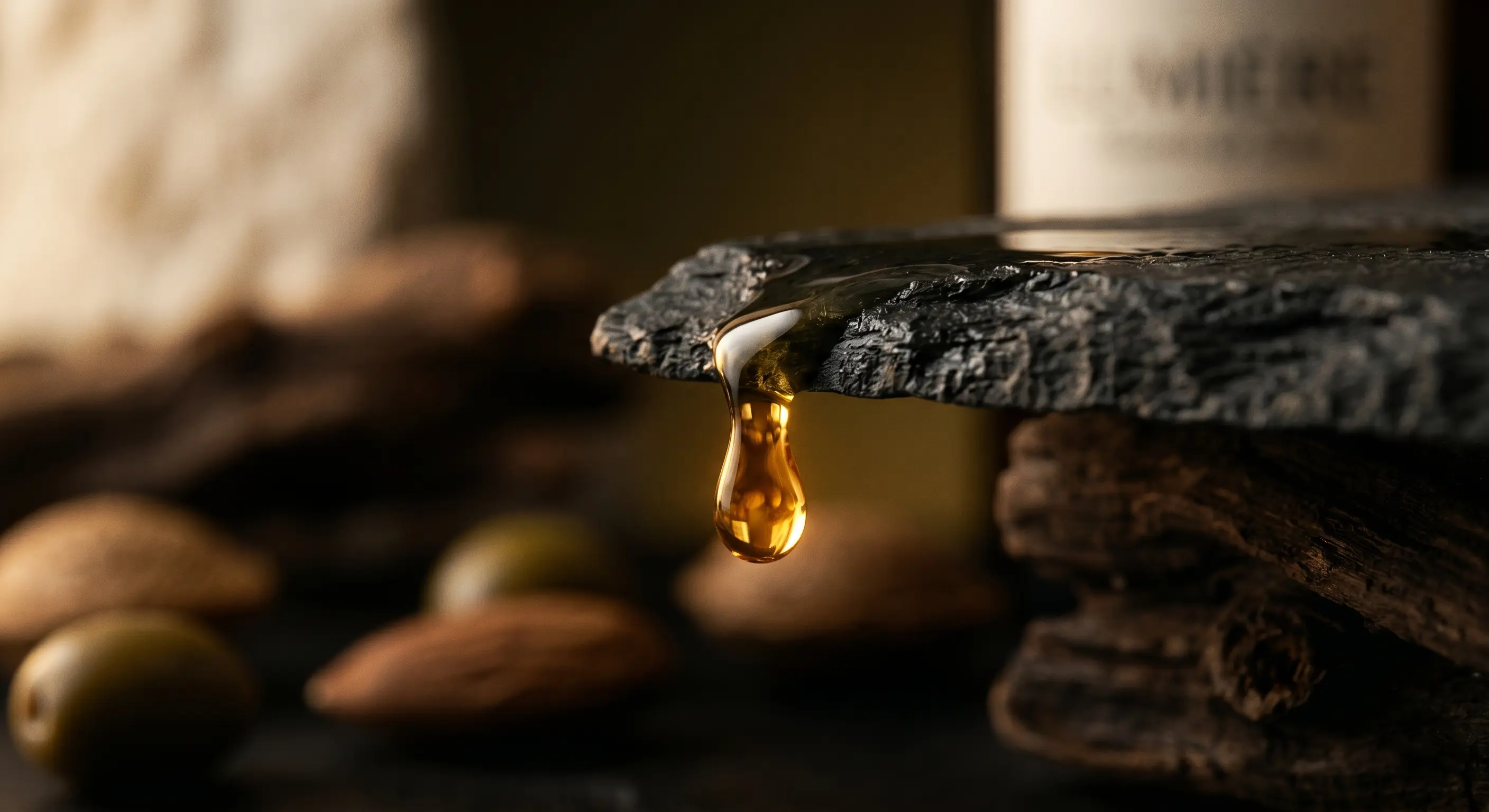
Why our oils are pressed slowly, without heat or hurry.